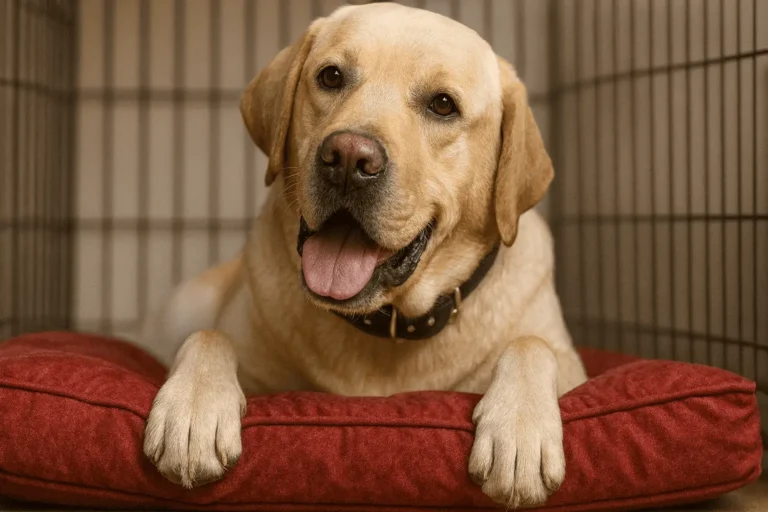
When it comes to loyal, intelligent, and affectionate family dogs, two breeds often top the list – the Flat Coated Retriever and the Labrador Retriever. At first glance, they may seem quite similar: both are friendly, energetic, and built for retrieving. But beneath those wagging tails lie unique traits that set them apart in personality, appearance, and lifestyle needs.
In this guide, we’ll compare the Flat Coated Retriever and Labrador Retriever side by side – so you can confidently decide which breed is the best match for you and your family.
Origin, History, and Purpose

Flat Coated Retriever
The Flat Coated Retriever originated in mid-19th century England, where gamekeepers and hunters sought to create the ultimate retrieving dog – one equally skilled on land and in water. They combined the best traits of collies, water spaniels, and early setters, producing a breed with keen intelligence, stamina, and a gentle mouth for carrying game.
Known for their endless enthusiasm and elegant build, Flat Coats quickly became favorites among British sportsmen and estate owners.
However, their popularity declined in the early 20th century when the Labrador and Golden Retrievers gained prominence as more versatile gundogs. Today, the Flat Coated Retriever remains a rarer breed, cherished for its joyful personality and heritage as one of the earliest British retrievers.
Labrador Retriever
The Labrador Retriever traces its roots to Newfoundland, Canada, where fishermen relied on sturdy, water-loving dogs to retrieve nets, ropes, and even fish from icy waters. These early “St. John’s Dogs” impressed visiting English nobles in the early 1800s, who brought them to Britain and refined the breed into what we now know as the modern Labrador Retriever.
Selective breeding in the U.K. emphasized their trainability, retrieving instincts, and gentle nature, transforming the Labrador into a versatile gundog and beloved companion. By the mid-20th century, Labradors had earned a reputation not just as hunting partners but also as service, therapy, and guide dogs.
| Feature | Flat Coated Retriever | Labrador Retriever |
|---|---|---|
| Origin | England (19th century) | Newfoundland, Canada (refined in England) |
| Developed Purpose | Dual-purpose hunting and retrieving dog | Fishing assistant turned all-purpose retriever |
| Ancestry | Mix of collies, spaniels, and early setters | Descended from St. John’s Water Dogs |
| Popularity Trend | Rare and less common today | One of the world’s most popular breeds |
| Modern Role | Companion and show dog with sporting roots | Family pet, service dog, and field retriever |
Appearance and Physical Traits
Flat Coated Retriever
The Flat Coated Retriever is often admired for its elegant and youthful appearance. With a long, feathered coat that lies flat and glossy against the body, this breed gives off a sleek and polished look. Most Flat Coats come in solid black or liver colors.
They have a leaner and more graceful build compared to Labradors, with a slightly longer muzzle, almond-shaped eyes, and a tail that fans out like a plume.
Labrador Retriever
The Labrador Retriever has a more muscular, sturdy frame with a characteristic “otter tail” that’s thick at the base and tapers toward the end. Their short, dense, water-resistant double coat helps them excel in swimming and cold conditions.
Labs come in three main colors: black, yellow, and chocolate. Their broad heads, kind eyes, and powerful build give them a classic, dependable look. Labradors have minimal feathering.
| Feature | Flat Coated Retriever | Labrador Retriever |
|---|---|---|
| Body Type | Sleek, athletic, and elegant | Strong, broad, and muscular |
| Coat Type | Long, straight, feathered | Short, dense, double coat |
| Common Colors | Black, Liver | Yellow, Black, Chocolate |
| Tail | Long and feathered | Thick “otter” tail |
| Standard Size (Height & Weight) | Males: 23 – 24.5 in, 60 – 80 lbs Females: 22 – 23.5 in, 55 – 70 lbs | Males: 22.5 – 24.5 in, 65 – 80 lbs Females: 21.5 – 23.5 in, 55 – 70 lbs |
Temperament and Personality

Flat Coated Retriever
The Flat Coated Retriever is often called the “Peter Pan” of the dog world – a spirit that never seems to grow up. They thrive on constant activity, attention, and companionship. Flat Coats are incredibly people-oriented and love being part of everything the family does, whether it’s hiking, swimming, or relaxing on the couch.
They’re playful, comical, and sometimes a little mischievous. Flat Coats need mental challenges, games, and interactive play to stay happy. While they’re friendly to strangers, they make poor guard dogs – their natural instinct is to greet, not to warn. Their affectionate nature, however, makes them wonderful therapy or companion dogs for the right household.
Labrador Retriever
The Labrador Retriever is the picture of calm confidence and reliability. Labs adapt easily to family life, children, and other pets. Their even-tempered nature is one reason they’ve long been favorites as service dogs.
Labradors love human interaction but are usually less demanding than Flat Coats. They’re social yet adaptable – happy to play fetch for hours or quietly rest by your feet. Labs do have a mischievous side in puppyhood, but they typically mature into calm, obedient adults with consistent training and attention.
| Trait | Flat Coated Retriever | Labrador Retriever |
|---|---|---|
| Energy Level | Extremely high; playful and excitable | High but more balanced |
| Sociability | Loves everyone; very people-focused | Friendly, gentle, good with all |
| Trainability | Intelligent but easily distracted | Highly trainable and obedient |
| Maturity Level | Retains puppy behavior longer | Matures faster and calmer |
Exercise and Activity Level
Flat Coated Retriever
The Flat Coated Retriever is an endurance athlete at heart. This breed thrives on long runs, swimming sessions, and active play. A short walk around the block won’t cut it – Flat Coats need at least 90 minutes of vigorous exercise daily to burn energy and stay happy.
They excel in:
- Fetch and water retrieves
- Agility and obedience sports
- Trail hiking and outdoor adventures
Without enough activity, Flat Coats can become restless or destructive.
Labrador Retriever
The Labrador Retriever is equally athletic but more flexible in its exercise needs. Labs love swimming, fetch, and long walks, but they’re content to adjust their activity level to fit their owner’s lifestyle. They require about 60 – 90 minutes of daily exercise, combining physical activity and mental stimulation. Labs also enjoy puzzle toys and scent games, which help prevent boredom and overeating.
| Feature | Flat Coated Retriever | Labrador Retriever |
|---|---|---|
| Exercise Needs | 90+ minutes daily | 60 – 90 minutes daily |
| Energy Level | Very high, needs constant activity | High, but adaptable |
| Favorite Activities | Swimming, hiking, agility, running | Fetch, swimming, walking |
Trainability and Intelligence

Flat Coated Retriever
The Flat Coated Retriever is highly intelligent and quick to learn commands, but they have a playful, clownish streak that sometimes gets in the way of focus. Training a Flat Coat requires patience, consistency, and variety. They get bored easily with repetition, so short, engaging sessions work best.
Their enthusiasm makes them fun to train, but also prone to jumping, excitement, or losing interest mid-task. Positive reinforcement techniques – treats, praise, and play rewards – bring out the best in this breed. Harsh corrections or monotone routines can cause them to shut down.
Labrador Retriever
The Labrador Retriever is often cited as one of the easiest dogs to train. Labs are naturally people-pleasing, food-motivated, and thrive on approval. They respond beautifully to positive reinforcement and consistency. Labradors are quick to grasp new commands and maintain focus, even in distracting environments. Their calm, reliable nature makes training smoother.
| Trait | Flat Coated Retriever | Labrador Retriever |
|---|---|---|
| Intelligence Level | Very high | Very high |
| Focus & Obedience | Easily distracted by excitement | Highly focused and disciplined |
| Training Difficulty | Moderate | Easy |
| Response to Positive Reinforcement | Excellent | Excellent |
| Best Training Approach | Fun, varied, and energetic | Consistent, reward-based |
Diet, Food, and Treats
Flat Coated Retriever
The Flat Coated Retriever burns a lot of calories through daily activity and needs a protein-rich, energy-dense diet to keep up. Look for dog foods that list real meat (chicken, salmon, or lamb) as the first ingredient, supported by whole grains or sweet potatoes for sustained energy.
Recommended Nutritional Breakdown:
- Protein: 25–30% (supports muscle recovery and activity)
- Fat: 12–18% (for coat shine and endurance)
- Carbohydrates: Moderate, from digestible sources like brown rice or oats
- Key Nutrients: Omega-3 & Omega-6 fatty acids, glucosamine, and chondroitin for joint health
Feeding Tips:
- Divide meals into two equal portions daily to avoid bloating.
- Monitor body condition closely – overfeeding can cause joint stress.
- Provide fresh water at all times, especially after play or exercise.
Healthy Treat Ideas:
- Bite-sized chicken or salmon jerky
- Carrot or apple slices (avoid seeds and cores)
- Homemade oat-based biscuits for occasional rewards
Avoid high-fat or processed treats.
Labrador Retriever
The Labrador Retriever is famously food-motivated. They need a diet that’s nutrient-dense but calorie-controlled, especially if they’re neutered or live a moderate-activity lifestyle.
Recommended Nutritional Breakdown:
- Protein: 22–28% (supports lean muscle)
- Fat: 10–15% (prevent excessive weight gain)
- Fiber: 3–5% (helps satiety and digestion)
- Key Nutrients: Glucosamine, taurine, DHA for brain and heart health
Feeding Tips:
- Measure portions precisely – use a cup or scale, not free feeding.
- Choose formulas labeled “large breed” or “weight management.”
- Include joint supplements for older or overweight Labs.
Healthy Treat Ideas:
- Frozen green beans or blueberries
- Lean turkey bites for training
- Dental chews to promote oral hygiene
Avoid table scraps and high-carb snacks like bread or cheese, which can easily push a Lab over its daily calorie limit.
Grooming and Care Needs
Flat Coated Retriever
The Flat Coated Retriever’s coat demands regular upkeep. Their silky fur tends to collect dirt, leaves, and tangles, especially after outdoor adventures. To keep the coat smooth and healthy, Flat Coats need brushing at least 2 – 3 times a week, and sometimes daily during shedding seasons.
They also require occasional trimming around the ears, feet, and tail to maintain their neat look. Regular grooming helps distribute natural oils that keep their coats glossy. Because Flat Coats love water, owners should dry them thoroughly after swimming to avoid skin irritation or ear infections. A bath every 6 – 8 weeks is typically enough unless they get particularly muddy.
Additional Care Tips:
- Check and clean ears weekly to prevent infections.
- Brush teeth 2 – 3 times a week.
- Trim nails every 3 – 4 weeks.
Labrador Retriever
The Labrador Retriever coat is easy to maintain but sheds heavily twice a year – during spring and fall. Regular brushing (once or twice a week) helps manage loose fur and keeps their skin healthy by spreading natural oils.
Labs are famous for their love of water, and they should be bathed every 8 – 10 weeks or when they start to smell “doggy.” Their grooming routine is simple compared to Flat Coats, but attention to nails, teeth, and ears remains essential to avoid common issues like ear infections and tartar buildup.
Additional Care Tips:
- Use a de-shedding tool during seasonal shedding.
- Regularly inspect eyes for cleanliness.
| Feature | Flat Coated Retriever | Labrador Retriever |
|---|---|---|
| Shedding Level | Moderate to high | Moderate to heavy (seasonal) |
| Brushing Frequency | 2 – 3 times a week | 1 – 2 times a week |
| Bathing Frequency | Every 6 -8 weeks | Every 8 – 10 weeks |
| Ease of Grooming | Moderate difficulty | Easy |
| Ear & Skin Care | Requires regular checks | Requires regular checks |
Health and Lifespan

Flat Coated Retriever
The Flat Coated Retriever is often described as a healthy, athletic breed in its youth, but unfortunately, it’s known for a higher risk of certain cancers compared to other retrievers. Conditions like hemangiosarcoma, malignant histiocytosis, and lymphoma are relatively common in the breed and often contribute to a shorter lifespan.
Beyond cancer risks, Flat Coats may also develop:
- Hip and elbow dysplasia
- Patellar luxation (knee issues)
- Progressive retinal atrophy (PRA) – a degenerative eye disease
Routine vet check-ups, balanced nutrition, and proper exercise can help manage these risks. Owners are encouraged to seek breeders who perform genetic and orthopedic health screenings.
Average Lifespan: 8 – 10 years
Labrador Retriever
The Labrador Retriever tends to enjoy a longer life expectancy, though they’re prone to joint issues and obesity. Labs love food, and without portion control and regular exercise, they can quickly become overweight – which often leads to problems like hip dysplasia, arthritis, and heart disease.
Other common health concerns include:
- Elbow dysplasia
- Eye disorders (such as cataracts and retinal atrophy)
- Ear infections, due to their floppy ears and love of swimming
Average Lifespan: 10 – 12 years
| Feature | Flat Coated Retriever | Labrador Retriever |
|---|---|---|
| Average Lifespan | 8 – 10 years | 10 – 12 years |
| Major Health Risks | Cancer, hip dysplasia, eye diseases | Obesity, joint issues, ear infections |
| Genetic Screening Importance | Very high | High |
| Overall Health | Moderate; higher cancer risk | Generally robust with good care |
| Preventive Focus | Regular screenings, balanced diet | Weight control, joint supplements |
Climate Compatibility
Flat Coated Retriever
Flat coated Retreivers are well-suited for cooler or moderate climates, where their coat keeps them comfortable outdoors. However, in hot or humid regions, Flat Coats can easily overheat. Their thick coat traps warmth, and they don’t tolerate high temperatures for extended periods. If you live in a warm area, it’s crucial to:
- Provide ample shade and fresh water
- Limit exercise during midday heat
- Use cooling mats or indoor fans during summer
- Never shave the coat – it protects against both heat and sunbur
Labrador Retriever
Labs handle cold temperatures exceptionally well. Surprisingly, Labradors also adapt well to warmer climates, thanks to their coat’s natural oils. However, in extreme heat, they still require protection from dehydration and overexertion.
Tips for Hot Climates:
- Keep walks early morning or late evening
- Provide access to shade and water
- Avoid asphalt or hot surfaces
Because of their versatility, Labradors can comfortably live in most U.S. regions, from snowy northern states to temperate southern ones.
| Feature | Flat Coated Retriever | Labrador Retriever |
|---|---|---|
| Best Climate | Cool to mild | Adaptable (cold to warm) |
| Cold Tolerance | Excellent | Excellent |
| Heat Tolerance | Moderate to low | Moderate to good |
| Coat Type Impact | Long feathered coat traps heat | Short double coat allows airflow |
| Ideal Regions (U.S.) | Northern & coastal states | All regions, with care in heat |
Cost Comparison
Flat Coated Retriever
Because the Flat Coated Retriever is a less common breed in the United States, their purchase price and maintenance costs tend to be higher. Reputable breeders often invest heavily in health screenings and limited litters, which increases the upfront cost.
Purchase Price:
Expect to pay between $1,500 and $3,000 for a well-bred Flat Coated Retriever puppy. Those with champion bloodlines or imported pedigrees can cost even more. Adoption options are limited due to the breed’s rarity, but rescue organizations occasionally have adult Flat Coats available at lower prices ($300–$600).
Annual Maintenance Costs:
Flat Coat’s feathered coats need regular upkeep. Their yearly expenses typically fall between $1,850 and $3,100.
| Expense Category | Estimated Yearly Cost |
|---|---|
| Food & Treats | $600 – $900 |
| Routine Vet Visits | $400 – $600 |
| Grooming & Supplies | $300 – $600 |
| Training, Toys & Accessories | $150 – $300 |
| Pet Insurance (Optional) | $400 – $700 |
Because of their grooming needs and higher cancer risk, Flat Coats may require slightly more frequent vet visits or diagnostic checks as they age.
Lifetime Cost Estimate:
Over an average lifespan of 8 – 10 years, the total cost of owning a Flat Coated Retriever is approximately $20,000 – $28,000+, depending on healthcare and lifestyle choices.
Labrador Retriever
The Labrador Retriever is one of the most common and accessible breeds in the U.S., which makes their initial cost and long-term care more affordable. Their short coat, balanced energy, and easygoing nature also mean lower grooming and training costs overall.
Purchase Price:
A purebred Labrador Retriever puppy typically costs $1,000 to $2,500 from reputable breeders. Adoption and rescue options are plentiful, often ranging between $200 and $600, making Labs an excellent choice for those looking to adopt.
Annual Maintenance Costs:
Labs eat about the same as Flat Coats but are easier to groom, keeping annual costs between $1,650 and $2,700.
| Expense Category | Estimated Yearly Cost |
|---|---|
| Food & Treats | $600 – $900 |
| Routine Vet Visits | $400 – $600 |
| Grooming & Supplies | $150 – $300 |
| Training, Toys & Accessories | $150 – $300 |
| Pet Insurance (Optional) | $350 – $600 |
Lifetime Cost Estimate:
With a lifespan of 10 – 12 years, the total ownership cost of a Labrador Retriever usually falls between $18,000 – $25,000+, making them one of the most cost-effective large breeds for families.
Ideal Owners – Which Retriever Fits Your Lifestyle?

Flat Coated Retriever
The Flat Coated Retriever is best for people who live an active, outdoor lifestyle and have plenty of time to engage with their dog. These dogs thrive on movement, attention, and participation in family life.
They’re not ideal for owners who are away from home most of the day or prefer a quiet household – Flat Coats need interaction, variety, and mental challenges to stay happy. Their endless enthusiasm and “forever young” attitude make them a joy for sporty owners who enjoy hiking, running, or weekend adventures.
Best Suited For:
- Outdoor enthusiasts, joggers, or hikers
- Families with older kids or teens who love playtime
- Experienced dog owners who enjoy training challenges
- Homes with large yards or easy access to parks
Not Ideal For:
- Apartment dwellers without daily outdoor access
- First-time owners who prefer calm, low-maintenance pets
- Busy professionals with limited time for exercise.
- People with asthma, sinus sensitivitie, arthritis, mobility issues, or chronic fatigue
Labrador Retriever
The Labrador Retriever is one of the most versatile and beginner-friendly breeds. Labs adapt beautifully to a variety of households – from suburban families with children to singles or seniors seeking a dependable companion.
Labs enjoy playtime and walks but are also content relaxing indoors after a good day’s exercise. Their even temperament makes them especially good with kids and other pets.
Best Suited For:
- First-time dog owners
- Individuals seeking a calm yet playful companion
- Homes with moderate space (yard optional with daily walks)
Not Ideal For:
- Very sedentary owners (Labs still need daily activity)
- Owners who neglect portion control – Labs gain weight easily
- Owners with back, joint, or balance issues (Labs are strong pullers)
Conclusion
When comparing the Flat Coated Retriever vs Labrador Retriever, it’s clear that both breeds offer loyalty, intelligence, and an unshakable love for their families. The right choice for you ultimately depends on your lifestyle, energy level, and how much time you can dedicate to grooming and exercise.
You might also like: Can Labrador Retrievers Be Guard Dogs?
You might also like: 11 Pros and Cons to Owning a Labrador Retriever