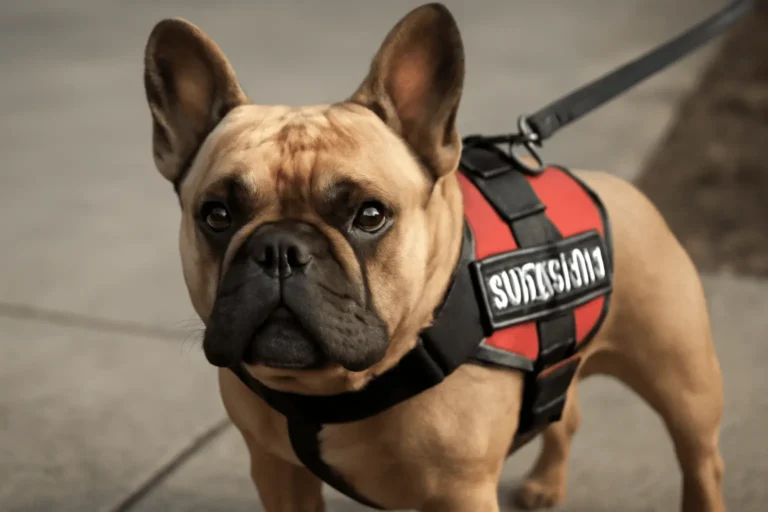
With their muscular bodies, broad faces, and confident stance, Olde English Bulldogs often give off a tough first impression. Some people even assume they’re aggressive or difficult to manage – a belief that’s followed the breed for generations. But is that reputation fair? Or have these dogs been misunderstood because of how they look?
In this article, we’ll uncover the real temperament of Olde English Bulldogs, explain the difference between protective instincts and true aggression, and share practical tips for raising a calm, well-behaved Bulldog you can trust around family, children, and other pets.
Understanding the Olde English Bulldog’s Origins

To truly understand an Olde English Bulldog’s temperament, it helps to look back at where they came from. The breed’s story begins with the original English Bulldog, a dog once used in the cruel sport of bull-baiting in 18th-century England. Those early bulldogs were bred for strength, courage, and tenacity – traits that, while admirable in working dogs, often came with a degree of aggression.
When bull-baiting was banned in the 1800s, breeders began focusing on developing gentler, more companionable dogs. However, centuries of selective breeding led to health problems and physical exaggerations in modern English Bulldogs – short muzzles, breathing issues, and limited mobility.
That’s where the Olde English Bulldogge (often called the Olde English Bulldog) came in. In the 1970s, American breeder David Leavitt set out to recreate the athletic, healthier bulldog of old, minus the aggression. He crossbred several breeds – including the English Bulldog, Bullmastiff, American Bulldog, and American Pit Bull Terrier – to achieve a balanced, muscular, yet even-tempered dog.
Temperament of Olde English Bulldogs
Loyal and Family-Oriented
Olde English Bulldogs are deeply devoted to their families. They bond closely with their owners and often form a strong emotional connection with one particular person
Playful Yet Gentle
Olde English Bulldogs have a goofy, fun-loving side – they enjoy interactive games and short bursts of activity. However, their play style is usually controlled and respectful once trained. They enjoy affection, tug-of-war, or short walks, but they’re not hyper or demanding like some breeds.
Confident and Self-Assured
One of the most defining traits of the Olde English Bulldog is its natural confidence. These dogs carry themselves with quiet strength – alert, fearless, and composed without being dominant. Their confidence comes from stability and intelligence.
Are Olde English Bulldogs Aggressive by Nature?
Despite their muscular build, Olde English Bulldogs are not naturally aggressive. In fact, most are calm, affectionate, and eager to please their families. Their temperament is typically loyal, stable, and protective
Aggression in any dog is rarely about the breed itself; it’s usually the result of poor training, neglect, or lack of socialization. Olde English Bulldogs are strong-willed but highly trainable when approached with patience and positive reinforcement. When their energy is properly channeled, they become gentle, reliable pets rather than aggressive ones.
Why They’re Sometimes Mistaken for Aggressive
Because Olde English Bulldogs have a strong protective instinct, their alertness can sometimes be misread as aggression. This instinct comes from loyalty, not hostility – they’re simply attentive to their surroundings and eager to guard their loved ones.
Typical protective behaviors include barking when someone approaches the home, positioning themselves between their owner and a stranger, or staying alert in unfamiliar settings. These actions show watchfulness, not aggression.
Understanding this difference helps owners respond with calm reassurance – rewarding steady behavior rather than punishing natural protectiveness.
Are Olde English Bulldogs Aggressive with Other Pets?
Olde English Bulldogs are generally friendly with other pets when raised and socialized properly. Their protective nature can make them cautious at first, but they usually warm up quickly once they recognize other animals as part of the family.
Supervise New Interactions
Keep early meetings calm and controlled. Use leashes or barriers at first, and reward relaxed, curious behavior. Avoid forcing close contact until both animals are comfortable.
Opposite-Sex Pairings Often Work Best
If adding another dog, pairing males with females can reduce dominance issues and make coexistence smoother.
When Living with Smaller Pets
Bulldogs usually have a low prey drive, but supervision is still important. Teach gentle behavior and avoid unsupervised play with small animals like rabbits or guinea pigs.
Signs of Aggression in Olde English Bulldogs
Even though Olde English Bulldogs aren’t naturally aggressive, they may show warning signals if they feel scared, stressed, or provoked. These cues are part of normal canine communication – a way of saying “I’m uncomfortable” long before an actual bite happens.

- Growling or snarling – A warning signal that the dog feels uncomfortable or cornered.
- Stiff body posture – Indicates tension or fear; the dog is preparing for a defensive reaction.
- Prolonged staring or hard eye contact – A dominance or territorial behavior.
- Raised hackles (hair along the spine) – An instinctive response to perceived threats.
- Resource guarding – Growling or snapping when someone approaches their food, toys, or favorite resting spot.
- Snapping or biting – The final stage of defensive behavior when earlier warnings were ignored.
Early Warning Signs to Watch For
Before a dog growls or snaps, there are usually subtle cues showing stress or unease. Learning to recognize these can stop aggression before it starts:
- Avoiding eye contact or turning the head away: Shows nervousness or submission.
- Lip licking or frequent yawning: Indicates stress or uncertainty, not boredom.
- Tucked tail or crouched body: Suggests fear or defensive behavior.
- Ears pinned back: A signal that the dog feels threatened or anxious.
- Excessive barking at strangers or new dogs: Can stem from poor socialization or overprotectiveness.
- Growling while eating or playing: Indicates resource guarding or testing dominance.
How to Raise a Well-Behaved Olde English Bulldog
Olde English Bulldogs have a strong, protective nature and thrive under calm, confident leadership. Early guidance and structured routines help channel their energy into loyalty, affection, and reliability. Preventing problem behaviors from the start ensures they grow into the gentle, steady companions they’re meant to be.
Start Socialization Early
Socialization should begin as early as 8 – 10 weeks old.
- Expose your Bulldog to different people, pets, sights, and sounds gradually.
- Reward calm behavior in new situations with treats and praise.
Use Positive Reinforcement Training
- Use treats, toys, or affection to encourage calm, desired behavior.
- Avoid shouting, hitting, or harsh corrections – these can create fear or defiance.
- Keep training sessions short (10 – 15 minutes) and consistent.
Essential Commands for a Well-Behaved Bulldog
Sit
- Purpose: Teaches patience and focus.
- How to train: Hold a treat slightly above the dog’s head. As they naturally sit to look up, say “Sit” and reward immediately. Repeat several times daily until the motion follows the word alone.
Stay
- Purpose: Reinforces impulse control and prevents jumping or running off.
- How to train: Ask your dog to “Sit.” Open your palm toward them and say “Stay.” Step back one pace; if they hold position, reward. Gradually increase distance and time before rewarding.
Come
- Purpose: Strengthens recall and safety outdoors.
- How to train: In a quiet area, kneel down, say “Come!” in an excited tone, and reward when they approach. Always make coming to you a positive experience.
Leave It
- Purpose: Teaches restraint – useful for food guarding or chasing.
- How to train: Place a treat in your closed fist. Let the dog sniff or paw; say “Leave it.” When they stop trying, reward with a different treat from your other hand. Repeat until they back off immediately on command.
Down
- Purpose: Promotes calmness and submission.
- How to train: Start with “Sit.” Hold a treat to the nose, then slowly lower it to the ground. As the dog follows, say “Down” and reward once lying fully.
Wait (at doors or before meals)
- Purpose: Reinforces manners and reduces pushiness.
- How to train: Have your dog sit before the door or food bowl. Say “Wait.” Pause a moment before giving permission (“Okay!”). Reward patience consistently.
Drop It
- Purpose: Prevents possessive or destructive behavior.
- How to train: Offer a low-value toy, then show a high-value treat. Say “Drop it.” When they release the toy, reward and praise. Never chase or yank items away – always trade.
Establish Clear Boundaries and Routine
Dogs feel most confident when they understand what’s expected of them.
- Maintain a daily routine for feeding, walks, and playtime.
- Use consistent commands and body language.
- Reward good manners – like sitting patiently before meals or at doors.
Provide Enough Exercise and Mental Stimulation
A bored or under-exercised Bulldog may channel frustration into bad behavior.
- Give them at least 45 – 60 minutes of activity per day – walks, tug-of-war, or fetch.
- Add mental challenges such as puzzle feeders or obedience games.
Avoid Triggers and Manage the Environment
If you know what triggers your Bulldog’s aggression – such as food, loud noises, or other dogs – manage the environment.
- Feed them in a quiet, separate space if they guard food.
- Desensitize gradually to triggers using positive experiences.
- Never force them into stressful situations too soon.
Ideal Environment for a Well-Behaved Olde English Bulldog
- Calm, stable surroundings: Maintain a relaxed household tone – avoid yelling, rough play, or sudden changes.
- Human connection: Bulldogs need consistent attention and gentle leadership from their owners.
- Safe retreat space: Give them a quiet, cozy spot where they can rest undisturbed when overwhelmed
When to Seek Professional Help
If aggression escalates – frequent growling, snapping, or biting – consult a certified dog trainer or veterinary behaviorist.
- Professionals can identify root causes such as fear, pain, or dominance issues.
- They’ll create a custom desensitization and counter-conditioning plan.
- In some cases, a vet may recommend calming supplements or check for underlying medical problems.
Conclusion: The Real Nature of Olde English Bulldogs
Olde English Bulldogs might look tough on the outside, but beneath their strong, muscular frame lies a heart full of loyalty, gentleness, and affection. They are not naturally aggressive dogs – their temperament depends on how they’re raised, trained, and treated. When given love, clear boundaries, and proper socialization, they grow into companions who form deep bonds with their families.
You may also read: Are Bulldogs Good with Cats?
You can also read: Breed: Olde English Bulldogge: Your Complete Guide