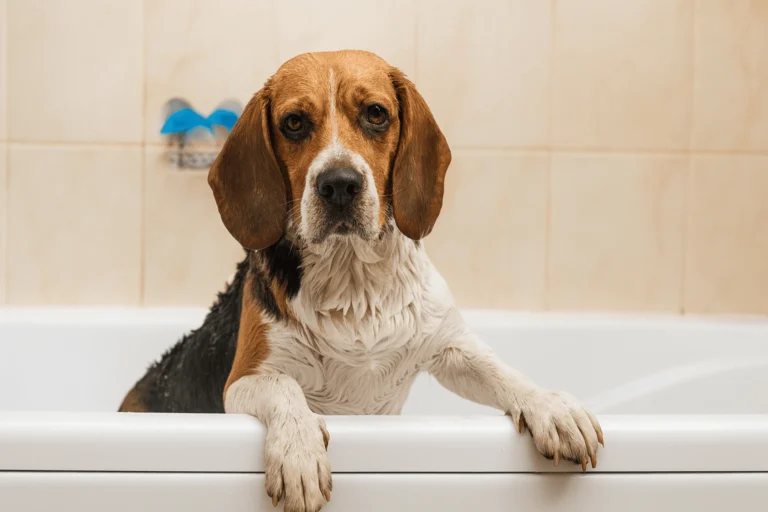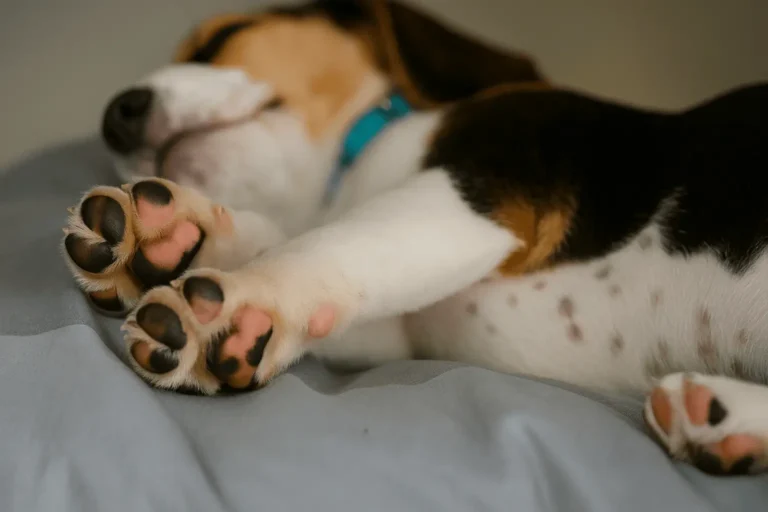
If you’ve ever spent time around a Beagle, you already know they’re affectionate, playful, and full of personality. But many owner and even those just considering adopting one – often ask the same question: “Do Beagles stink?”
In this post, we’ll uncover why Beagles smell the way they do, the common causes of unpleasant odors, and – most importantly – how to keep your Beagle smelling clean, fresh, and cuddle-ready.
Do Beagles Stink? Understanding the Myth vs. Reality
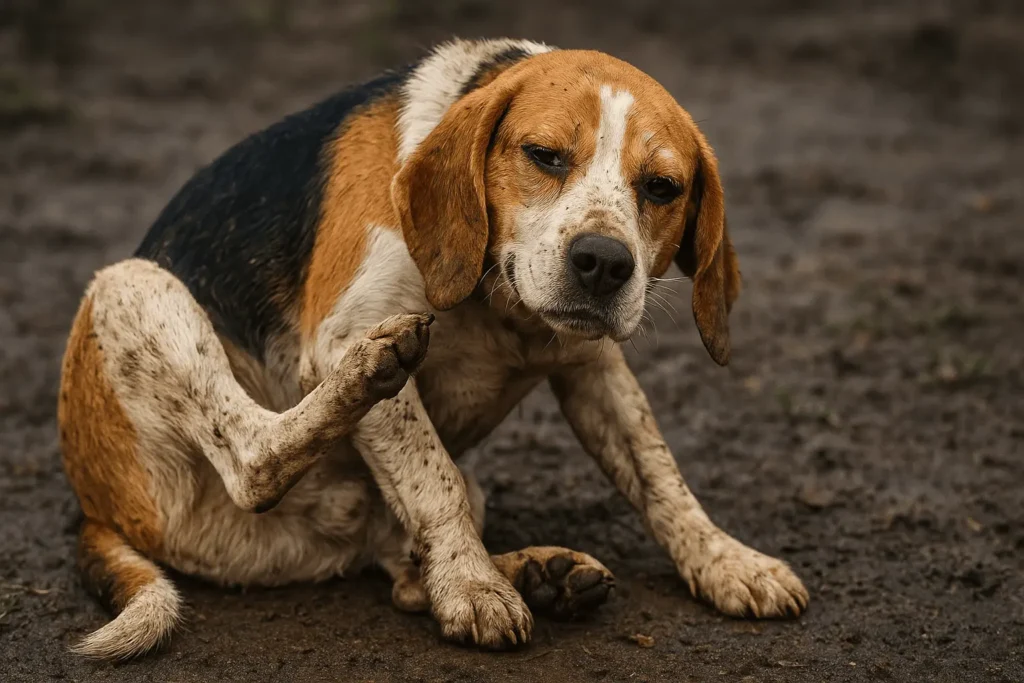
The question “Do Beagles stink?” often pops up – and it’s easy to see why. Beagles have a distinctive, sometimes musky scent that sets them apart from many other breeds. But before labeling them as “smelly dogs,” it’s important to understand where that odor really comes from.
Beagles were bred as scent hounds, meaning their bodies are naturally equipped with special oils(mainly sebum containing fatty acids, triglycerides, wax esters, and squalene) and scent glands that help trap scent particles. This biological advantage allows them to track game effectively – but those same oils can give off a noticeable aroma.
The truth is, Beagles don’t inherently stink. Their natural scent is simply strong. So, the “stinky Beagle” reputation is more myth than fact.
Why Do Beagles Smell More Than Other Dogs?
Apart from the natural scent-hound trait, there are several other reasons why Beagles may develop stronger odors, including:
Floppy Ears Trap Moisture and Bacteria
One of the Beagle’s most charming traits – those adorable floppy ears – can also cause problems. Because air doesn’t circulate easily inside, moisture and wax build up, creating the perfect environment for yeast and bacteria to grow.This often leads to ear odor or infections that contribute to a “doggy smell.”
Skin and Coat Health
Beagles are prone to seborrhea (overproduction of skin oils) and allergic reactions, both of which can lead to a greasy coat and musty odor. When dirt and oils accumulate, bacteria multiply, making the smell more noticeable.
Diet and Digestion Issues
What your Beagle eats directly affects how they smell. Poor-quality food or low protein levels can lead to bad breath, gas, and even skin odor.
How to Keep Your Beagle Smelling Fresh
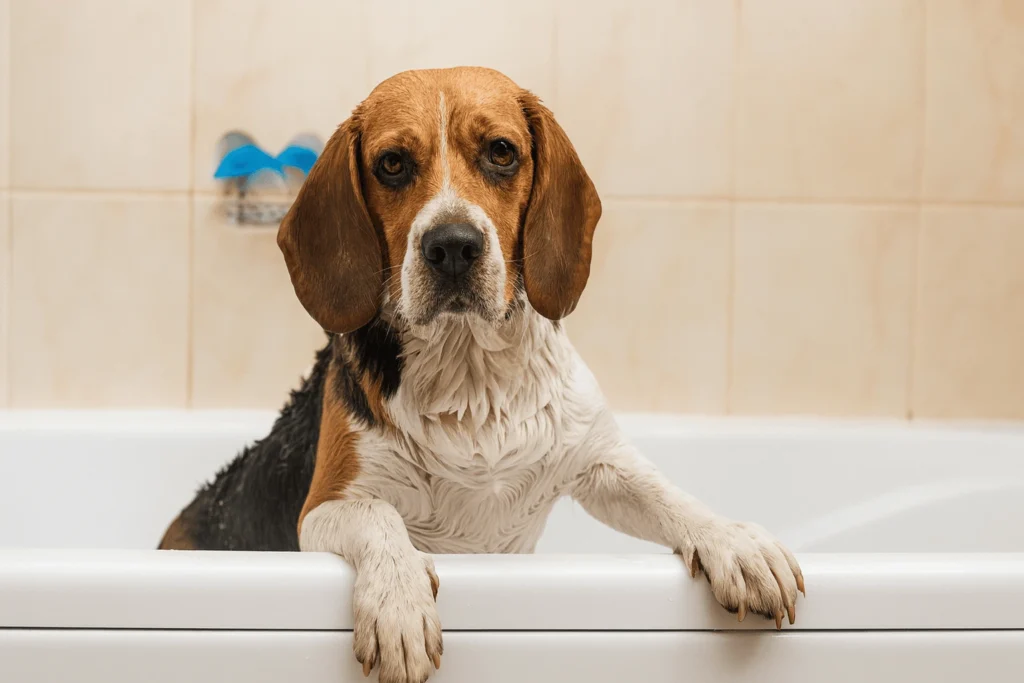
A healthy, clean Beagle doesn’t have to smell bad – in fact, with a few smart habits, you can keep that natural “hound scent” under control and enjoy plenty of cuddles without holding your nose.
Maintain a Consistent Grooming Routine
Regular grooming is the key to odor-free Beagles.
- Brush twice a week to remove dead hair and distribute natural oils evenly.
- Bathe every 4 – 6 weeks using a pH-balanced, gentle dog shampoo. Avoid human shampoos and bathing too frequently, as both can strip natural oils, dry out your Beagle’s skin, and actually make odor worse over time.
- After walks, wipe your Beagle’s paws with dog-safe wipes to remove dirt and moisture, and lightly trim any excess fur between the paw pads to prevent mud buildup and odor.
- Wipe around the eyes and mouth with a soft, damp cloth to remove tear stains or food residue, which can create mild odor over time.
- Keep your Beagle’s nails short by trimming them every 2 – 3 weeks to prevent dirt accumulation
To control smell more effectively during baths:
- After rinsing, dry thoroughly, especially under the ears and armpits, since damp areas trap odors.
- Finish with a dog-safe coat spray or conditioner for a fresh scent and softer coat.
Keeping their coat clean not only reduces odor but also prevents skin irritation and infections.
Clean Their Ears and Teeth Regularly
- Clean their ears once a week using a vet-approved ear solution or wipes.
- Look for redness, discharge, or a “yeasty” smell – these are signs of infection.
And don’t forget dental hygiene: brush their teeth daily (or at least a few times a week) to combat bad breath caused by plaque buildup.
Feed a High-Quality Diet
- Choose high-protein, grain-free foods with omega-3 and omega-6 fatty acids.
- Add natural supplements like probiotics or fish oil to support gut and skin health.
- Avoid table scraps or overly processed treats, which can cause gas and odor.
| Provide | Avoid |
|---|---|
| Lean meats like chicken, turkey, or salmon | Processed meats or by-products |
| Omega-rich foods (flaxseed, salmon oil) | Greasy, salty, or spicy foods |
| Plain Greek yogurt | Table scraps and leftover human food |
| Fresh vegetables (carrots, pumpkin, spinach) | Foods with artificial colors or preservatives |
| Fresh fruits (apple slices, blueberries) | Excessive dog biscuits or sugary treats |
| Clean, fresh water daily | Dairy products high in fat or seasoning |
Wash Their Bedding, Toys, and Collars
Even if your Beagle is spotless, dirty accessories can make them smell bad again fast.
- Wash bedding weekly in a pet-safe detergent.
- Clean their collar, harness, and toys regularly to remove trapped bacteria and oils.
Home Remedies and Quick Fixes for Beagle Odor
Keeping your Beagle smelling clean doesn’t always require expensive grooming products. In fact, a few natural home remedies can effectively neutralize odor while being gentle on your dog’s skin and coat. Here are some safe and simple fixes you can try at home.
Apple Cider Vinegar Rinse (Natural Deodorizer)
Apple cider vinegar helps balance your Beagle’s skin pH and eliminate odor-causing bacteria.
- How to use: Mix 1 part apple cider vinegar with 3 parts water, apply after shampooing, leave for a minute, and rinse thoroughly.
- Tip: Don’t use on open wounds or irritated skin.
Baking Soda Dry Shampoo
Baking soda is a classic odor neutralizer.
- Sprinkle a small amount over your Beagle’s coat, rub it gently through the fur, and brush it out after 5 – 10 minutes.
- It absorbs excess oils and removes that musky “hound smell.”
Use this between baths to keep your Beagle fresh without over-washing.
Coconut Oil Massage
Coconut oil not only moisturizes the skin but also helps reduce bacteria and yeast growth.
- Massage a small amount onto your Beagle’s coat once a week.
- Leave it on for a few minutes, then rinse with warm water.
Lemon or Rosemary Spritz (DIY Freshening Spray)
Create a natural deodorizing spray to use between baths.
- Boil fresh rosemary or lemon slices in water, let it cool, and pour it into a spray bottle.
- Lightly mist your Beagle’s coat before walks or guests arrive.
Safety Reminder: These natural remedies are generally safe for most Beagles, but always do a small patch test first. If your Beagle has skin issues or allergies, consult your vet before use – they can advise on safe ingredients and proper dilution.
When to See a Vet About Your Beagle’s Smell
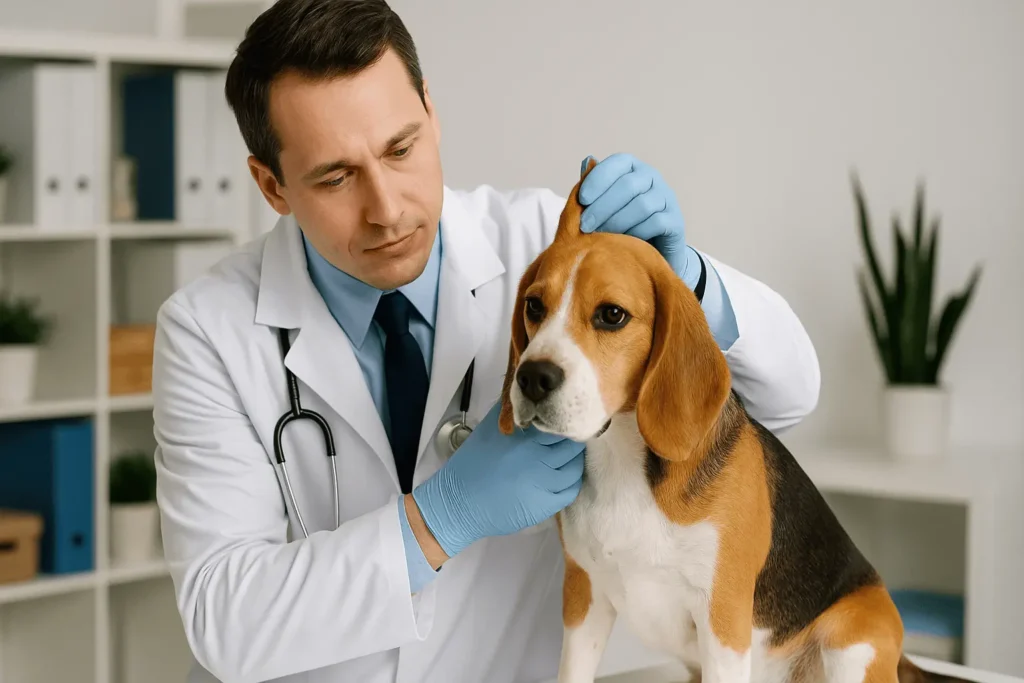
Even with the best grooming habits, sometimes that stubborn Beagle odor just won’t go away – and that’s when it’s time to look a little deeper. Persistent or unusual smells can signal an underlying health issue that needs a veterinarian’s attention. Here’s when to make that appointment.
Constant or Sudden Change in Odor
If your Beagle suddenly starts smelling much stronger or differently (for example, sour, fishy, or metallic), it’s not normal. A sudden odor shift can indicate infections, allergies, or even internal issues that require professional care.
Fishy or Metallic Rear-End Odor
That unmistakable fishy smell? It’s usually due to anal gland impaction or infection. These glands release a scent naturally, but if they get blocked, they can leak or burst – which is both smelly and painful. A vet can safely express or treat them.
Oily or Greasy Skin With a Rancid Smell
If your Beagle shows signs of seborrhea or allergic skin reactions, these conditions typically require a vet checkup for proper diagnosis and treatment.
Itchy Skin, Red Patches, or Hair Loss
If your Beagle smells bad and constantly scratches, chews, or has red, flaky spots, these are signs of skin infections or allergies. Common triggers include pollen, food sensitivities, or parasites like fleas and mites.
Persistent Ear Odor
A yeasty or foul ear smell, head shaking, scratching, or dark discharge all require a vet checkup. It prevents pain and long-term hearing issues.
Bad Breath That Won’t Go Away
Occasional doggy breath is normal, but a strong or rotting smell can signal dental disease, oral infection, or digestive issues. Regular dental care helps, but persistent bad breath needs a professional checkup.
Odor With Lethargy or Appetite Loss
If a bad smell comes with other symptoms – like tiredness, vomiting, or loss of appetite – see your vet right away. These can be signs of systemic infection or organ problems that require prompt treatment.
Conclusion: Keeping Your Beagle Fresh and Happy
Beagles may have a naturally stronger scent than some breeds, but that doesn’t mean they have to be “stinky dogs.” Their lovable personality, loyalty, and playfulness far outweigh any odor challenges – and with the right care, you can easily keep your Beagle smelling as good as they look.
You may also read: How Often to Bathe a Beagle
You may also read: How to Groom a Beagle