Life on a farm demands hard work, dedication, and trust – not just from people but also from the animals who share the land. Among the many choices for farm dogs, one breed often sparks curiosity: the German Shepherd. Many farmers wonder – are German Shepherds good farm dogs?
In this article, we’ll explore how the German Shepherd’s working heritage, temperament, and trainability make them more than just guard dogs. You’ll discover what sets them apart from traditional herding breeds, how to train them for farm duties, and what challenges to consider before bringing one into your barnyard life.
What Traits Make a Good Farm Dog?
Before exploring whether German Shepherds make good farm dogs, it’s important to understand what truly defines a successful farm companion.
- Strong Work Ethic: Farm dogs must be motivated and eager to perform tasks, whether herding animals, guarding property, or assisting with chores.
- Intelligence and Trainability: They should learn quickly, follow complex commands, and adapt to changing routines on the farm.
- Calm Temperament: Around livestock and machinery, steadiness is key – a good farm dog stays composed and doesn’t startle easily.
- Protective Instincts: A natural sense of territory helps keep livestock and property safe from predators or strangers.
- Endurance and Physical Strength: Farm life means long days outdoors in varying weather, so stamina and resilience are essential.
- Social Balance: The best farm dogs can interact gently with animals and humans while still showing confidence and authority when needed.
Understanding the German Shepherd’s Heritage
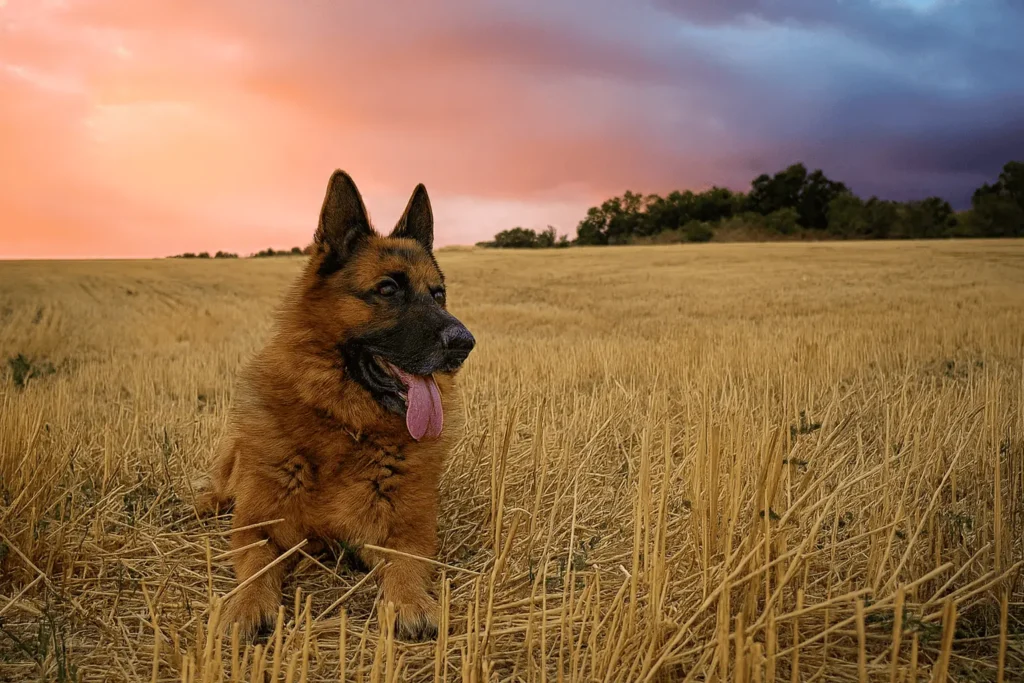
Before deciding whether German Shepherds make good farm dogs, it’s important to understand where they came from and why they were bred in the first place.
The German Shepherd’s story begins in late 19th-century Germany, where Captain Max von Stephanitz set out to create the ideal working dog – one that was intelligent, obedient, and capable of handling the demanding tasks of herding and protecting flocks.
Are German Shepherds Good Farm Dogs?
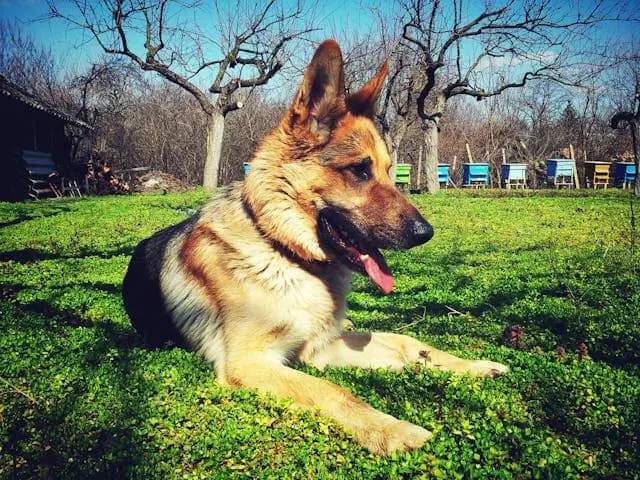
Absolutely – German Shepherds can make excellent farm dogs when given the right training, environment, and attention. They can handle a variety of farm-related tasks with ease. These dogs thrive when they have a clear purpose.
Natural Herding and Guarding Instincts
German Shpeherds have a natural ability to control the movement of livestock without being overly aggressive, making them dependable helpers for farmers managing sheep, goats, or cattle. Beyond herding, their alertness and bravery make them outstanding guardians – quick to sense intruders, predators, or unusual activity around the farm.
Intelligence and Trainability
German Shepherds are ranked among the top three smartest dog breeds in the world, they quickly learn complex commands and adapt to routines. They can be trained to fetch tools, follow hand signals, or assist with specific farm duties. With consistent guidance, they become reliable, disciplined partners.
Strong Work Ethic and Endurance
Farm life is demanding, but German Shepherds are built for it. Their muscular frame, high energy, and endurance allow them to work long hours in diverse weather conditions. They love staying active and mentally stimulated, which fits perfectly with a farm’s busy lifestyle.
Training Tips for Turning a German Shepherd into a Great Farm Dog
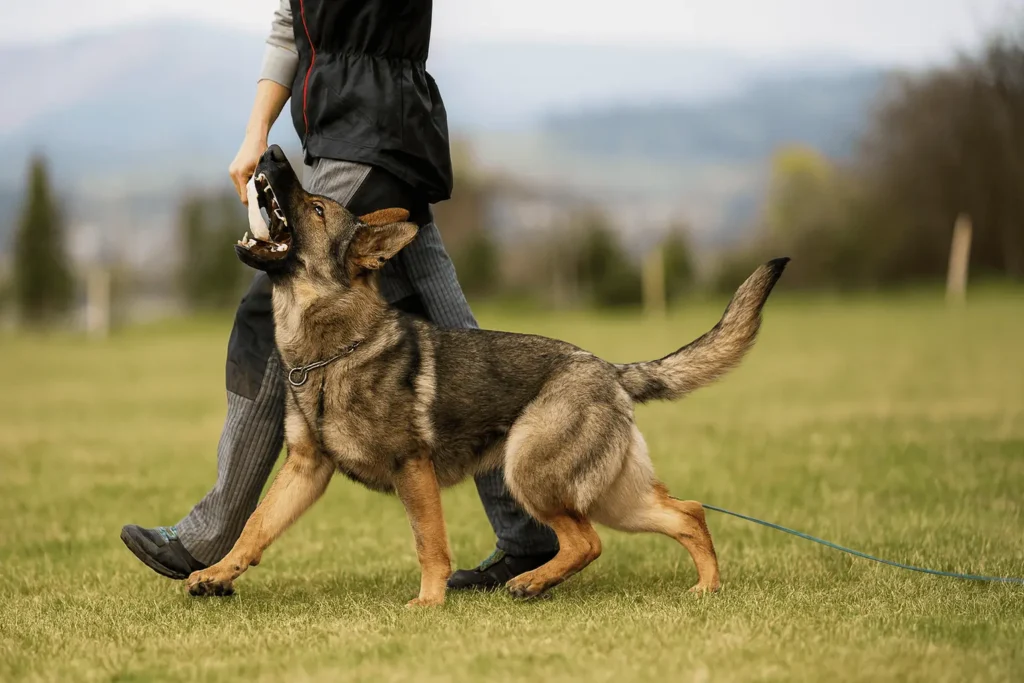
German Shepherds have the brains, strength, and instinct to thrive on a farm – but unlocking their full potential depends on consistent and purposeful training. Here’s how to shape your German Shepherd into a dependable farm companion.
Start Early with Obedience and Recall
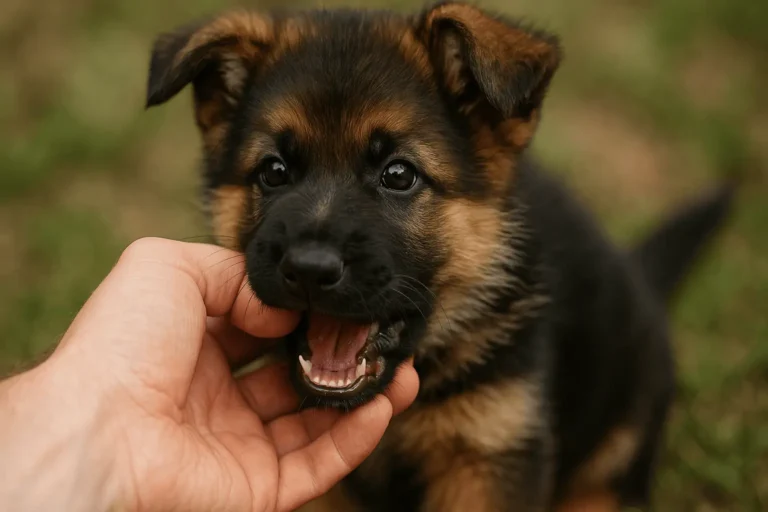
Training should begin as early as possible. Establishing a strong foundation in basic commands – such as sit, stay, come, and heel – builds discipline and sets the tone for future farm-specific training. Recall (coming when called) is especially critical for farm dogs who roam large areas. Practice recall daily.
Socialization Is Key
Expose your German Shepherd to different animals, people, and sounds from a young age. Controlled introductions help your dog learn that other animals are part of the farm-not prey.
Teach Task-Specific Commands
Once basic obedience is mastered, move on to farm-related commands. For example:
- “Round up” or “Back” for herding.
- “Guard” or “Watch” for patrolling boundaries.
- “Leave it” for ignoring livestock or dropped food.
Positive Reinforcement Builds Trust
German Shepherds respond best to praise and reward-based methods. Harsh punishment can damage their trust and make them fearful or resistant. Instead, reward good behavior immediately with treats, affection, or playtime to strengthen their bond with you and reinforce their desire to work.
Challenges to Consider Before Bringing a German Shepherd to the Farm
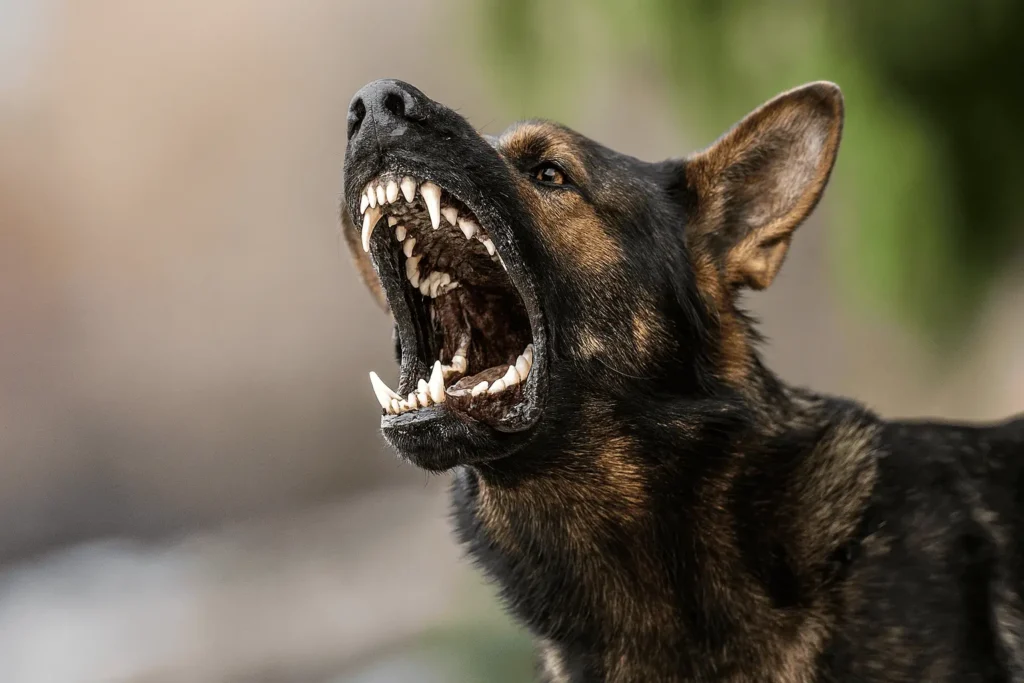
While German Shepherds can excel as farm dogs, they’re not automatically the perfect fit for every situation. Like any working breed, they come with specific needs, temperaments, and challenges that require preparation and commitment.
High Energy and Space Requirements
German Shepherds are active, athletic dogs that need plenty of room to run and explore. A cramped or enclosed environment can lead to frustration, anxiety, or destructive behavior. If your farm offers open space, your Shepherd will flourish.
But if their energy isn’t channeled through regular work or exercise, they can quickly become restless and hard to manage.
Potential Overprotectiveness
Without proper socialization and training, German Shepeherds might become overprotective of livestock, family, or territory. This can lead to unnecessary barking, chasing, or even defensive behavior toward visitors and other animals.
Consistent exposure to new people, environments, and routines helps them learn when protection is needed and when it’s not.
Shedding and Grooming Demands
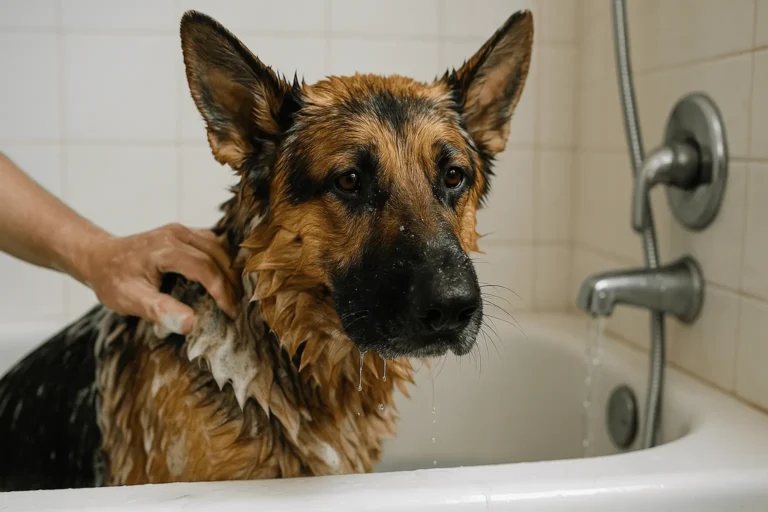
German Shepherds have a thick double coat designed to handle different climates, but it comes with heavy shedding-especially during seasonal changes. Regular brushing (2–3 times a week) and proper grooming are essential to manage shedding and keep their coat healthy.
If your farm is in a warm region, ensure they have access to shade and fresh water to prevent overheating.
Common Health Problems Affecting Farm Work
German Shepherds are genetically prone to certain joint and mobility issues that can impact long-term farm performance:
- Hip and Elbow Dysplasia: Common in the breed, these conditions can cause stiffness, pain, and reduced mobility, especially after heavy physical activity.
- Degenerative Myelopathy: A progressive spinal condition that can affect coordination and hind-leg strength in older dogs.
- Arthritis and Joint Wear: Working on uneven ground for years can contribute to arthritis, particularly in unconditioned or overweight dogs.
Regular vet check-ups, joint supplements, and a balanced diet can help manage or prevent these problems – ensuring your dog stays active and pain-free for years.
Difficulty with Certain Farm Animals
German Shepherds have strong herding and prey instincts, which can sometimes make it hard for them to coexist with smaller or flighty animals.
- They may chase chickens, ducks, or rabbits if not properly trained.
- Young or nervous livestock, like baby goats or sheep, may find their assertive herding style intimidating.
- Without desensitization, horses can be startled by their barking or sudden movements.
Strong Personality and Need for Leadership
German Shepherds thrive under confident, consistent leadership. They need a handler who can give clear commands and set firm boundaries. Without structure, these intelligent dogs may try to make their own rules, which can create issues in farm environments with other animals or workers.
Time Commitment for Training and Bonding
Training a German Shepherd to be an effective farm dog isn’t a one-time effort-it’s an ongoing process. They crave companionship and direction, so they don’t do well if left alone for long periods. Farm owners should be ready to invest daily time into training, playing, and bonding to maintain trust and obedience.
Other Popular Farm Dog Breeds and Their Suitability
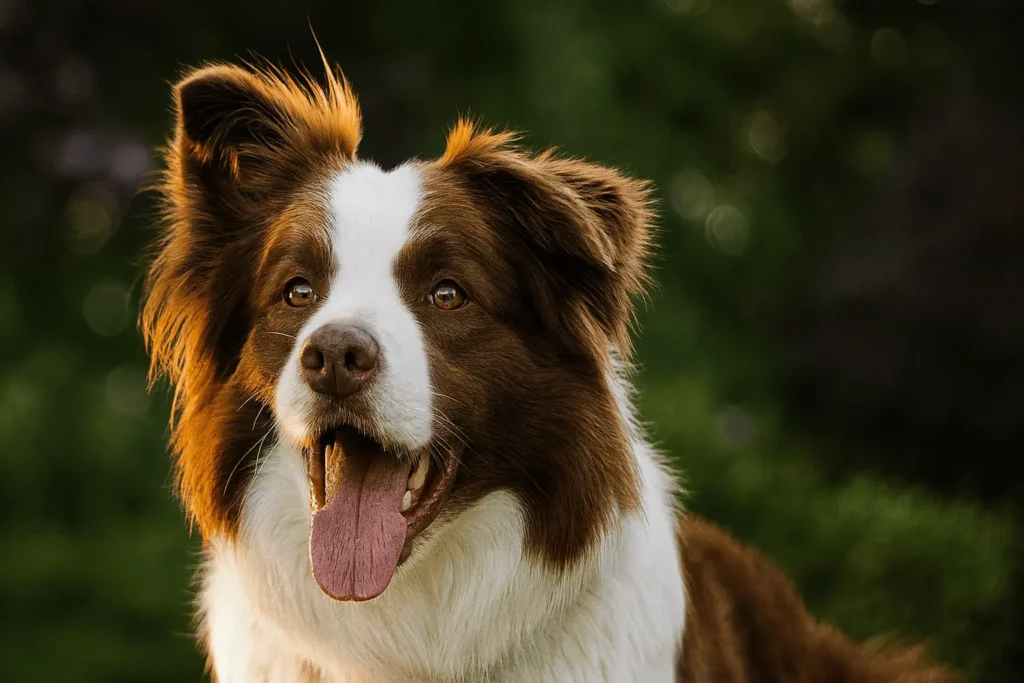
While German Shepherds are versatile all-rounders, several other breeds also thrive on farms – each with its own strengths depending on the type of work or environment. Here’s a quick guide to help you match the right breed to your farm’s needs:
Border Collie
Best for: Farms focused on precision herding of sheep, goats, or smaller livestock.
Why: Extremely intelligent and responsive; controls animals with gentle movements and eye contact. Ideal for farms needing calm, efficient herding over large open areas.
Australian Shepherd
Best for: Active, mixed farms with varied livestock and lots of daily movement.
Why: Energetic, social, and adaptable; thrives on constant activity and works well alongside families and other animals.
Great Pyrenees
Best for: Farms needing livestock guardianship in rural or predator-prone regions.
Why: Calm, patient, and protective; excels at keeping sheep or goats safe from threats like coyotes or stray dogs.
Australian Cattle Dog
Best for: Cattle or rugged terrain farms requiring endurance and control.
Why: Tough, alert, and fearless; bred for handling stubborn livestock and long work hours.
Border Terrier or Jack Russell Terrier
Best for: Smaller farms with pest control needs.
Why: Agile and brave; excellent at catching rodents and guarding barns or grain storage areas.
Labrador Retriever
Best for: Family-oriented farms needing a gentle helper rather than a herder.
Why: Friendly, trainable, and reliable for fetching tools, guarding gently, or assisting around the yard.
Conclusion: The Perfect Partner for Farm Life
For farmers willing to invest time, energy, and care, a German Shepherd offers far more than utility – they offer unwavering loyalty and partnership. Whether it’s keeping watch over livestock, lending a paw during chores, or simply walking beside you at the end of a long day, a German Shepherd embodies what every farmer values most: trust, hard work, and heart.
You may also read: Are German Shepherds Winter or Summer Dogs?
You can also read: 14 Best Farm Dog Breeds for Herding and Protection
FAQs
Do German Shpherds chase sheep?
German Shepherds may chase sheep at first due to their natural herding and prey instincts, but with proper training, they learn to guide rather than chase. Early socialization, clear commands, and consistent supervision help them stay calm and controlled around livestock.