German Shepherds are one of world’s most beloved dog breeds – loyal, intelligent, and always ready for adventure. But if you’ve ever wondered are German Shepherds winter or summer dogs, you’re not alone.
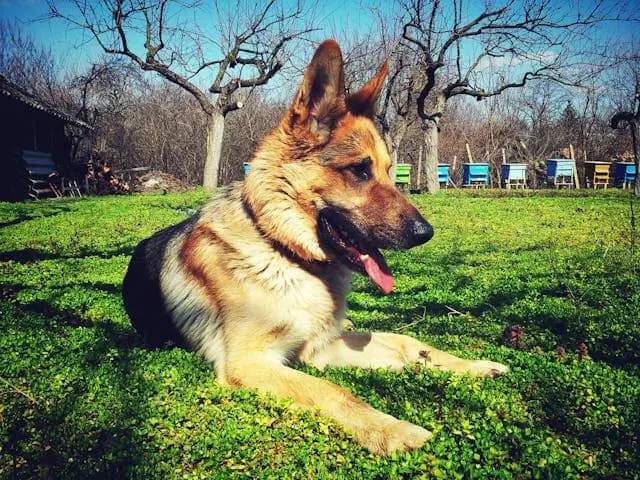
In this article, we’ll compare how German Shepherds perform in cold versus warm conditions, uncover what makes them naturally suited to certain temperatures, and share expert tips for seasonal care. Whether you live in chilly Minnesota or sunny Florida, you’ll know exactly how to support your GSD through every season.
What Makes the German Shepherd’s Coat Unique?
One of the biggest clues to whether German Shepherds are winter or summer dogs lies in their double coat. This signature feature is more than just beautiful – it’s a highly efficient system designed for protection and temperature control.
German Shepherds have two distinct layers of fur:
- Outer Coat (Guard Hair): This layer is coarse and water-resistant, shielding your dog from rain, wind, and dirt.
- Undercoat: Soft and dense, this inner layer traps air and acts as natural insulation – keeping your German Shepherd warm in winter and surprisingly cool in summer.
Seasonal Shedding and Temperature Regulation
Unlike many breeds, the German Shepherd’s coat adjusts with the seasons. In cold weather, the undercoat thickens to retain body heat. As temperatures rise, they shed that layer to stay cooler. This ability to self-regulate temperature is why they can adapt to various climates when properly cared for.
During heavy shedding, daily brushing is essential – not only to manage loose fur but also to maintain airflow through their coat. Contrary to what some may think, shaving a German Shepherd is never recommended. Their coat isn’t just for warmth – it also protects against UV rays, bug bites, and overheating in summer.
Why German Shepherds Thrive in Winter Conditions
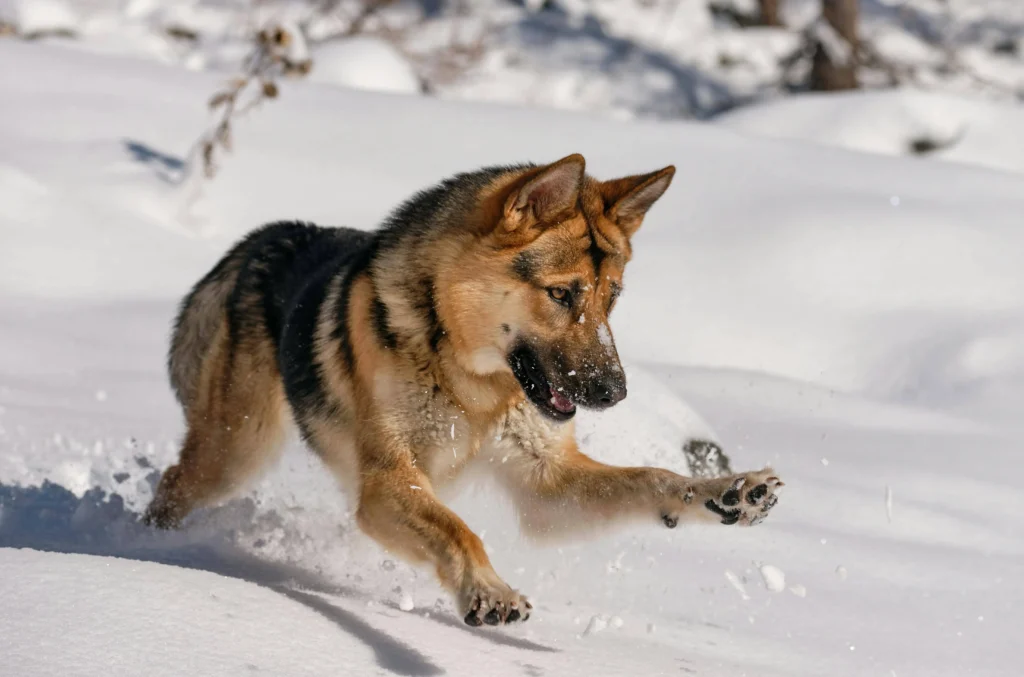
German Shepherds are often considered winter dogs because their double coat offers exceptional insulation. The thick undercoat traps heat close to the body, while the outer layer repels moisture and snow. This makes them comfortable even when temperatures drop to around 30°F-70°F, depending on their health and activity level.
In fact, their heritage plays a big role – originally bred in Germany, these dogs were designed to work outdoors year-round, guarding flocks and assisting handlers in cold conditions. Their endurance and coat structure still reflect that hardy background today.
Winter Care Tips for German Shepherds:
- Protect their paws: Ice, salt, and cold pavement can irritate sensitive pads. Use paw balm or dog booties for long walks.
- Provide warm shelter: Even though they tolerate the cold, prolonged exposure to freezing temperatures can still be harmful.
- Keep them active: Snow play, fetch, and tracking exercises keep their muscles warm and prevent boredom.
Cold Weather Risks to Watch Out For
Even the toughest German Shepherd isn’t immune to extreme cold. Prolonged exposure to sub-freezing temperatures can lead to hypothermia or frostbite.
Warning signs include:
- Shivering or trembling
- Lethargy or stiffness
- Pale, cold ears, paws, or tail tips
If you notice these signs, bring your dog indoors immediately, wrap them in a warm blanket, and consult your vet. While German Shepherds are clearly built for winter, it’s still crucial to monitor how they respond to your local climate. Every dog’s tolerance level is slightly different – especially seniors or those with short coats.
Are German Shepherds Comfortable in Summer?
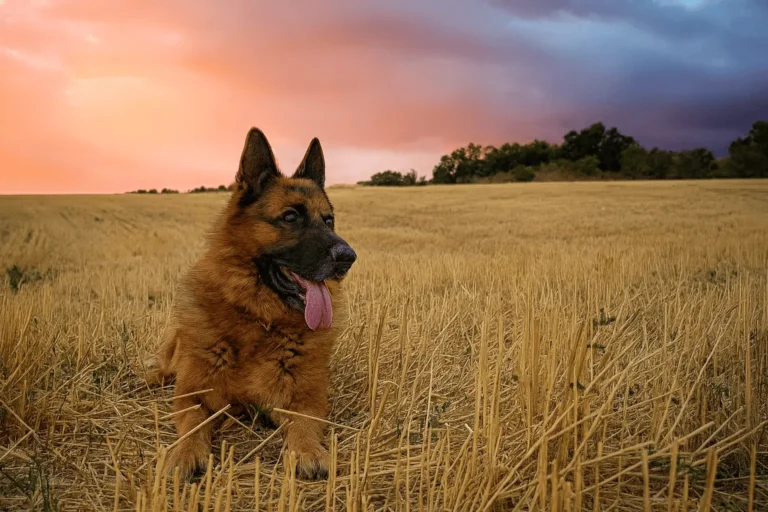
German Shepherds aren’t typically considered summer dogs, but they can adapt well to warmer temperatures with proper care. Their double coat doesn’t just keep them warm – it also helps insulate their skin from direct sunlight, preventing sunburn and overheating.
However, they can struggle in extreme heat (above 85°F), especially in humid areas. In these conditions, they rely heavily on panting, shade, and hydration to cool down. Since German Shepherds are active and energetic by nature, it’s important to modify their routine to avoid heat exhaustion.
Summer Care Tips for German Shepherds
- Provide constant access to fresh water: Hydration is the #1 priority in hot weather.
- Avoid peak sun hours: Schedule walks and playtime early in the morning or after sunset.
- Offer shade and airflow: Whether indoors or outdoors, ensure your dog has a cool resting area with proper ventilation.
- Use cooling aids: Cooling mats, vests, and fans can help manage body temperature.
- Never shave their coat: Shaving removes the insulation layer that protects against both sunburn and heat. Instead, focus on regular brushing to remove loose fur and improve airflow.
Signs of Overheating in German Shepherds
- Heavy panting or drooling
- Red gums or glazed eyes
- Weakness, confusion, or vomiting
If you notice these symptoms, move your dog to a shaded or air-conditioned area immediately, offer cool (not cold) water, and contact your veterinarian right away.
Other Physical Traits That Help German Shepherds Handle Seasons
Strong, Muscular Build
German Shepherds are powerful, athletic dogs with dense muscle mass that helps generate and retain warmth during winter activity. This strength makes them more resistant to cold weather and ideal companions for outdoor work or play in lower temperatures.
However, in summer, their heavy musculature can cause them to heat up faster during exercise, making hydration and rest especially important.
Skin and Fat Layer
Their skin is moderately thick, supported by a light layer of fat that provides insulation without trapping excess heat. This balance helps them resist cold winds in winter while allowing for better temperature regulation in warmer conditions.
Long Muzzle
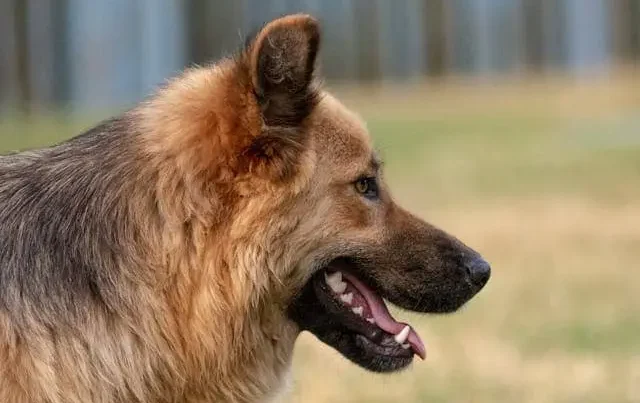
The German Shepherd’s long muzzle allows air to warm slightly before reaching the lungs in cold weather, preventing irritation from freezing air. In the heat, that same structure aids in panting, which is their main method of cooling down. Although it helps manage warmth, panting alone isn’t enough during extreme heat, so they still rely on shade and water to stay comfortable.
Thick, Well-Padded Paws
Their strong, cushioned paws provide traction and protection across various terrains. In winter, these thick pads insulate against snow and cold surfaces. In summer, they can be sensitive to hot pavement, so walking during cooler hours prevents burns and discomfort.
Upright Ears for Airflow
German Shepherds’ upright ears aren’t just iconic – they help improve airflow around the head, assisting with body heat release in warmer weather. In winter, however, these exposed ears can be more prone to frostbite, so avoiding extended time in freezing winds is wise.
Bushy Tail and Body Coverage
Their bushy tail acts like a natural blanket during cold weather, often curled over the nose as they rest to conserve warmth. In summer, it offers balance and communication benefits without adding to heat retention, making it a neutral but useful feature year-round.
Altogether, these traits show that German Shepherds are naturally inclined toward winter comfort but are versatile enough to adjust to summer environments.
Natural Coat and Skin Composition That Supports Seasonal Adaptability
Beyond structure and build, the natural composition of a German Shepherd’s coat and skin also influences how well they handle different seasons. Their fur contains protective oils that repel moisture and cold air in winter while preventing dryness and overheating in summer.
The keratin and pigments within their hair add strength and mild UV protection, helping them adapt to both cold and warm conditions.
Behavioral Signs That Show German Shepherds Are Naturally Winter Dogs
More Energetic and Playful in Cold Weather
During winter, German Shepherds often show a noticeable boost in energy. They love running in the snow, chasing, digging, or simply spending longer hours outdoors. The cold air invigorates them. Many owners notice that their GSDs seem happiest during chilly walks or play sessions – a strong behavioral clue that they’re naturally winter-oriented dogs.
Calmer and Cautious in Hot Weather
In summer, their behavior changes. German Shepherds tend to slow down, rest more often, and seek cool or shaded spots. They may show mild signs of discomfort in heat, such as panting, lying on cold floors, or avoiding direct sunlight.
Do German Shepherd Types Handle Weather Differently?
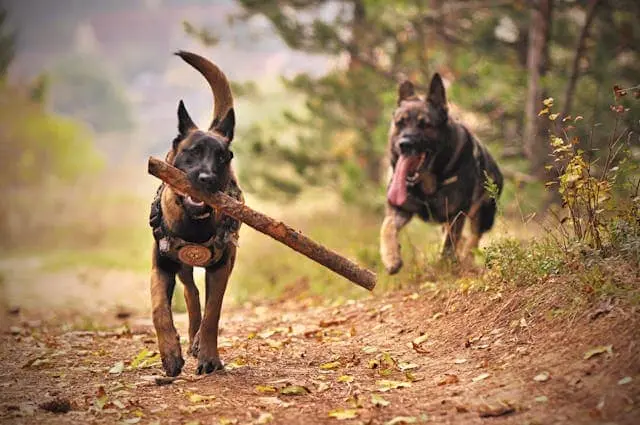
Although all German Shepherds belong to one recognized breed, there are several distinct types or lines, each bred for different purposes – such as work, show, or region. These variations may seem minor, but they can slightly influence how well a German Shepherd handles heat or cold.
West German Working Line
Known for their strength, stamina, and dense coats, West German working-line Shepherds were bred for police and military work in outdoor conditions. Their thicker undercoats and higher endurance make them naturally better suited for colder weather. These dogs thrive in winter but may overheat more quickly in extreme summer heat.
West German Show Line
This is the most common type seen in American households. These Shepherds have a balanced build and a moderately thick coat, making them well-adapted to both mild winters and summers.
East German (DDR) Line
Developed during the Cold War for border patrol, DDR Shepherds are robust, large-boned, and heavily coated. Their physical traits and working origins make them exceptionally winter-hardy dogs, capable of handling snow and freezing temperatures with ease.
Czech Working Line
Czech Shepherds are agile and versatile, bred for performance in different terrains. Their coats are dense but not overly long, allowing them to adapt to cold climates while still managing moderate summer conditions when properly cared for.
American Show Line
Bred primarily for appearance, the American line tends to have a lighter build and a slightly thinner coat. These dogs are typically more comfortable in warmer climates than European working lines but require extra care in harsh cold conditions.
How Age and Life Stages Affect Seasonal Comfort in German Shepherds
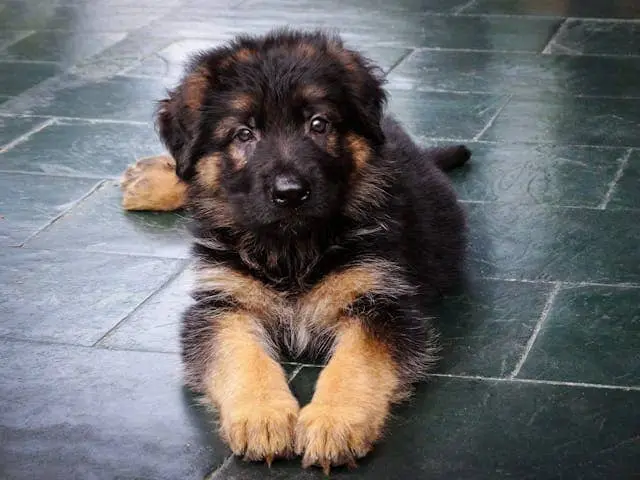
- Puppies: Have underdeveloped temperature regulation, thinner coats, and smaller fat reserves – so they struggle more with both cold and heat. They need extra warmth in winter and more hydration/shade in summer.
- Pregnant or nursing females: Their body temperature and energy demands rise, making them more sensitive to heat stress. They can handle mild cold better than high heat.
- Seniors: Aging slows their metabolism and circulation. Older dogs lose insulation and stamina, so they’re less cold-tolerant and also prone to heat fatigue in summer.
Sick or recovering German Shepherds may also struggle to regulate body temperature, so they need extra warmth in winter and careful monitoring in hot weather.
German Shepherds in Winter vs. Summer: Quick Comparison Table
| Feature | Winter | Summer |
|---|---|---|
| Comfort Level | High | Moderate |
| Risk Factors | Frostbite, dry skin | Heatstroke, dehydration |
| Exercise Preference | Active outdoors | Early mornings/evenings only |
| Grooming Needs | Brushing to prevent matting | Frequent brushing to remove loose fur |
| Ideal Climate Range | 30°F – 70°F | 60°F – 80°F (with care) |
Conclusion
So, are German Shepherds winter or summer dogs? In truth, they’re both – but with a clear preference for winter. Their dense double coat, hardworking nature, and love of outdoor activity make them naturally suited to cooler climates. Still, these intelligent, adaptable dogs can live happily through hot summers when their owners take the right steps to keep them cool and comfortable.
FAQs
Can German Shepherds live outside in the winter?
Yes, they can stay outside for short periods if they have proper shelter and protection from harsh weather. Always make sure your dog has access to a dry, insulated space, plenty of water, and the option to come indoors during severe cold.
You can read more about: Beat The Heat! Summer Tips to Keep Your German Shepherd Cool and Safe
You can also read about: What Size Crate Do I Need for a Labrador Retriever?